
 By:
admin@usapillshop.com
By:
admin@usapillshop.com 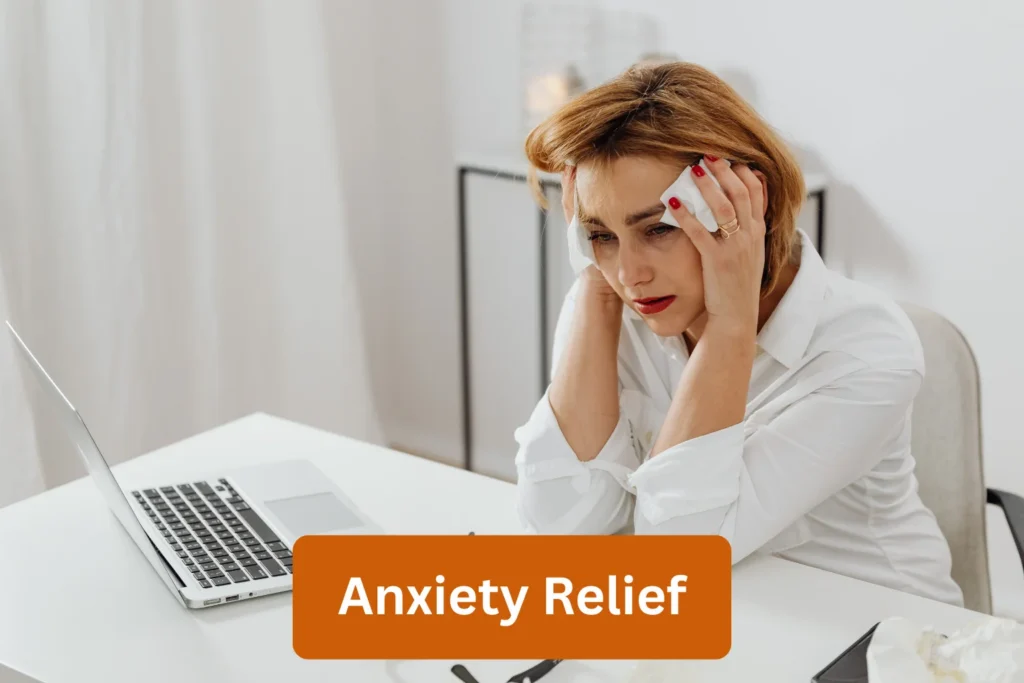
Anxiety is a common mental health condition that affects millions of people worldwide. It is a natural response to stress, pressure, or uncertainty. However, when anxiety becomes frequent or overwhelming, it can interfere with daily life. People experiencing anxiety may feel constant worry, nervousness, restlessness, or fear—even when there is no clear reason.
Common Symptoms of Anxiety
- Constant worrying or overthinking
- Nervousness or feeling “on edge”
- Rapid heartbeat or shortness of breath
- Difficulty concentrating
- Trouble sleeping (insomnia)
- Fatigue or low energy
- Muscle tension or body aches
How Anxiety Affects Daily Life
- Makes routine tasks more difficult
- Reduces productivity at work or studies
- Impacts relationships and social life
- Affects overall mental and physical well-being
Ways to Manage Anxiety
1. Regular Exercise
- Helps release stress-reducing hormones
- Improves mood and energy levels
2. Healthy Sleep Habits
- Aim for 7–9 hours of quality sleep
- Maintain a consistent sleep schedule
3. Mindfulness & Meditation
- Keeps your mind focused on the present
- Reduces overthinking and stress
4. Stress Management Techniques
- Practice deep breathing and relaxation exercises
- Try journaling or spending time in nature
5. Talk to Someone
- Share your feelings with friends, family, or a therapist
- Professional guidance can provide effective coping strategies
Medical Support (If Needed)
Always follow expert advice for safe and effective care
In some cases, healthcare professionals may recommend treatment
Therapy or medication can help manage severe anxiety




Written by
admin@usapillshop.com